Mastering Natural, Professional US English
Clear, confident, and helpful writing that feels like a conversation with a trusted colleague.
1. Start With a Strong Voice
When you write, imagine you’re speaking to a friendly peer who respects your expertise. Begin sentences with the subject—“We recommend…” or “The data shows…”—instead of burying the action behind a clause. This makes the content feel direct and trustworthy.
Example:
- Weak: “It is recommended by many experts that the process be reviewed quarterly.”
- Strong: “Experts recommend reviewing the process quarterly.”
2. Keep Sentences Concise, Yet Varied
A natural rhythm emerges when you mix short, punchy sentences with occasional longer ones. Aim for an average of 12‑18 words per sentence, but feel free to break a thought into two sentences if it improves clarity.
Why it works: Short sentences convey key points quickly, while longer ones let you elaborate on “how” and “why.”
Example:
- “The client’s feedback highlighted three main issues. First, the onboarding timeline was too long; second, documentation lacked clear examples; third, support response times were inconsistent.”
3. Use Active Voice Whenever Possible
Active voice places the doer of an action front and center, which is both more engaging and easier to understand. Passive constructions can make sentences feel vague or overly formal.
Active vs. Passive:
- Passive: “The report was prepared by the analytics team.”
- Active: “The analytics team prepared the report.”
When passive voice is unavoidable—such as when the actor is unknown or irrelevant—keep it brief and follow with a clarifying phrase.
4. Anchor Abstract Ideas With Real‑World Examples
Readers retain information better when you connect concepts to familiar scenarios. If you’re explaining “scalable architecture,” describe a midsize e‑commerce site that grew from 1,000 to 100,000 daily users without downtime.
How to do it:
- Identify the core principle.
- Pick a relatable industry or situation.
- Show the cause‑effect relationship.
5. Structure Content for Scan‑Friendly Readability
Online readers often skim. Use headings, bullet points, and short paragraphs (no more than four sentences) to guide the eye. Each paragraph should cover a single idea, then transition smoothly to the next.
Transition tip: End a paragraph with a question or a teaser—“But how does this impact your workflow?”—then answer it in the following section.
6. Choose Words That Convey Confidence, Not Arrogance
Phrases like “we’re confident that” or “the evidence suggests” signal authority while leaving room for professional humility. Avoid absolute statements unless you have indisputable data.
Safer phrasing:
- “Studies generally indicate that…”
- “Practitioners often observe…”
7. Edit for Tone Consistency
After drafting, read the piece aloud. Listen for robotic phrasing or over‑formal language. Replace stiff terms with conversational equivalents—“utilize” → “use,” “assist” → “help.”
Quick checklist:
- Does the piece sound like you’re guiding a colleague?
- Are there any jargon terms that could be simplified?
- Is the overall tone warm, yet professional?
8. Final Polishing: SEO‑Friendly Yet Human
Even a well‑written article benefits from a few SEO touches: incorporate a primary keyword naturally in the title, first paragraph, and a couple of subheadings. Don’t force the term—let it fit the flow.
Example keyword: “professional US English writing.”
Natural insertion: “Mastering professional US English writing is essential for clear business communication.”
Wrap‑Up
Writing in natural, professional US English isn’t about endless rules; it’s about treating your reader like a collaborator. By anchoring ideas in concrete examples, favoring active voice, and keeping sentences varied yet concise, you’ll produce content that feels both confident and genuinely helpful.
Give these strategies a try on your next report or blog post—you’ll notice the difference almost instantly.
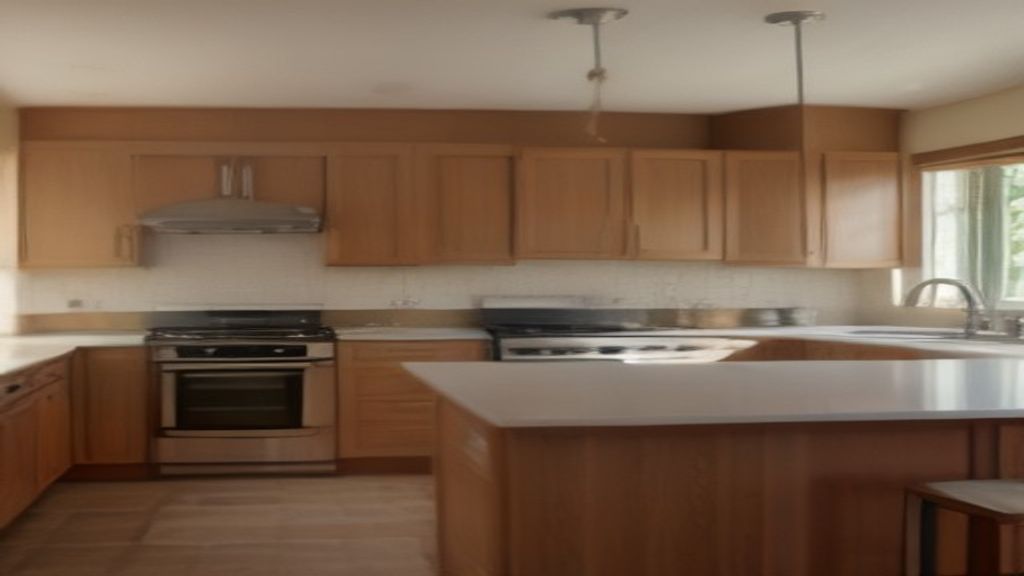
When a kitchen gets a makeover, the most noticeable changes usually happen on the surfaces you see every day. Choosing the right materials isn’t just about looks; it’s about durability, maintenance, and how each option fits your lifestyle. Below, we break down two common decisions—countertop material and cabinet treatment—so you can move forward with confidence.
Quartz vs Granite Countertops
Quartz and granite both deliver a high‑end feel, but they behave very differently under daily use. Quartz is an engineered stone, composed of crushed quartz mixed with resin, which makes it non‑porous and resistant to stains even without sealing. By contrast, granite is a natural stone that needs periodic sealing to keep liquids from seeping in, and its unique veining can vary from slab to slab, adding character but also a bit of unpredictability. If you prioritize low‑maintenance performance, quartz often wins; however, homeowners who love the notion of a one‑of‑a‑kind pattern may lean toward granite despite the extra upkeep.
Kitchen Cabinet Refacing vs Replacing
Cabinet refacing involves applying a new veneer or laminate over the existing framework, then swapping out hardware for a fresh look. This approach preserves the original box, which can save both money and installation time, especially when the underlying structure is still solid. Replacing cabinets, on the other hand, means tearing out the old units and installing brand‑new frames, doors, and drawers—an opportunity to reconfigure layout, increase storage, or upgrade to soft‑close mechanisms. When the cabinets are in good shape and you’re satisfied with the current layout, refacing offers a cost‑effective facelift; if the frames are warped, damaged, or you want a different configuration, replacement is the more practical route.
Balancing Aesthetics and Budget
Both decisions hinge on a blend of visual goals and financial realities. Quartz’s consistency can streamline the budgeting process because you know exactly what you’re buying, while granite’s price can fluctuate with rarity and quarry location. Similarly, refacing generally costs 30‑50 % less than a full replacement, but the savings shrink if extensive structural repairs are needed before the new veneer can be applied. Running a side‑by‑side cost comparison, factoring in labor, materials, and long‑term maintenance, helps keep the project from spiraling beyond expectations.
Making the Choice
Start by listing your priorities: Do you value a surface that resists staining without extra care? Do you need more cabinet space or a completely new layout? If low‑maintenance and uniform appearance top the list, quartz may be the better fit; if you cherish natural stone character and are willing to seal periodically, granite could be worth the effort. When it comes to cabinets, assess the condition of the existing frames—sound boxes often favor refacing, while compromised structures point toward replacement. A clear inventory of needs, paired with realistic budget limits, turns what feels like a daunting fork in the road into a series of logical steps.
Final Thoughts
Renovating a kitchen is as much about making sensible choices as it is about creating a space you’ll love. By understanding the practical trade‑offs between quartz and granite countertops and weighing the pros and cons of kitchen cabinet refacing versus replacing, you’ll avoid surprise expenses and enjoy a result that truly reflects your style and daily habits. Take the time to sample materials, talk with reputable installers, and visualize how each option will feel in the rhythm of your home—then move forward with a plan you can trust.
Also Read: How to Source Exclusive Decor and Furniture from Top GCC Retailers