Crafting a Clear, Confident, and Helpful Tone in Professional Writing
When you sit down to write, the first thing you want readers to feel is that you’re speaking directly to them—like a knowledgeable colleague offering a useful tip. That feeling comes from a tone that is clear, confident, and genuinely helpful. It isn’t about sprinkling buzzwords or sounding overly formal; it’s about choosing words that guide the reader smoothly from point A to point B while reassuring them that you know what you’re talking about.
Why tone matters
A clear tone eliminates ambiguity. If a reader has to reread a sentence to guess its meaning, the credibility of the whole piece erodes. Confidence, on the other hand, signals expertise. When you state a recommendation with conviction—“Based on field experience, most marketers find…”—the audience is more likely to trust the advice. Finally, a helpful tone shows that you care about the reader’s outcome, not just your own agenda. It turns a static article into a conversation, encouraging engagement and, ultimately, better results.
How to achieve clarity
Start with the simplest possible sentence and then add only the details that truly matter. For instance, instead of writing, “In the event that a user attempts to log in using an outdated password, the system will deny access,” you could say, “If a user enters an old password, the system blocks the login.” The second version removes unnecessary jargon and gets straight to the point. After drafting, read each sentence aloud; if you stumble, there’s probably a word or phrase you can trim.
How to project confidence
Confidence isn’t about shouting your opinions; it’s about grounding them in real‑world experience. Use qualifiers that reflect reality—“Generally,” or “Practitioners recommend.” For example: “Practitioners generally see a 10‑15 % improvement in open rates when subject lines are personalized.” This phrasing acknowledges variability while still conveying a strong, evidence‑based stance. Avoid hedging with excessive qualifiers like “maybe” or “perhaps,” which can undercut authority.
How to be genuinely helpful
Think of the reader as a friend who’s asking for advice. Offer concrete steps, not just abstract concepts. If you’re explaining how to set up a PowerPoint template, break it down: 1) Open the Slide Master view, 2) Insert your logo on the master slide, 3) Save the file as a template. Then add a quick tip: “Tip: Use the same font size for headings across all slides to keep the visual flow consistent.” Small, actionable details are the hallmark of a helpful piece.
Putting it all together
A paragraph that blends these three elements might read: “To streamline your weekly reports, start by creating a master spreadsheet that pulls data from all relevant sources. Generally, this reduces manual entry time by about 20 %. Once the master file is set up, save it as a template and share it with your team so everyone follows the same format—this small consistency boost makes the final review process much smoother.” Notice the clear instruction, the confident statistic, and the helpful suggestion that adds real value.
Final checklist
- Readability – keep each paragraph under four sentences.
- Active voice – “The team launched the campaign” beats “The campaign was launched by the team.”
- Concrete examples – replace abstract ideas with real‑world scenarios.
- Balanced confidence – use qualifiers that reflect genuine experience.
- Helpful extras – sprinkle in tips, shortcuts, or “did‑you‑know” facts.
By consciously weaving clarity, confidence, and helpfulness into every sentence, you transform ordinary prose into a trusted guide. Your readers will not only finish the article—they’ll remember the advice, apply it, and come back for more.
When you start thinking about a renovation, the first thing most homeowners ask is, “How long will this take?” A realistic home remodel timeline begins with a clear inventory of the tasks you want to accomplish, then layers on the inevitable pauses for permits, inspections, and material deliveries. By breaking the project into stages—design, demolition, rough‑in, finish work, and final walkthrough—you can spot bottlenecks early and keep the schedule from ballooning.
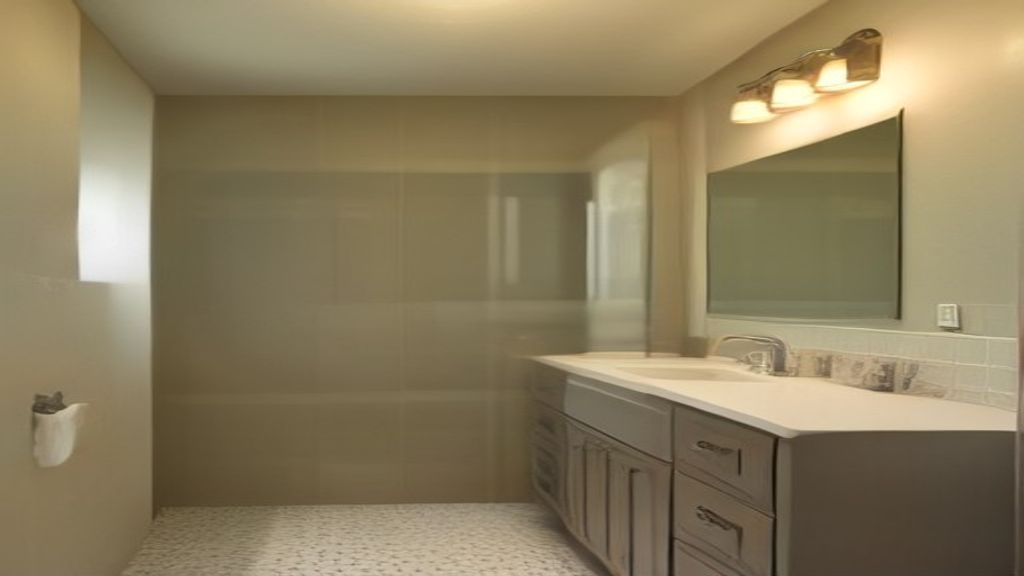
Design is where a modern bathroom remodel really sets its tone. Instead of simply picking tiles or fixtures, experienced designers encourage you to map out how each element will flow with the rest of the house, considering everything from lighting placement to water‑saving technology. This strategic planning prevents costly re‑work later and helps you stay on track with the broader timeline.
Once the plans are signed off, demolition and rough‑in work tend to dominate the calendar. Contractors often need a few days to remove old components, then additional time for plumbing, electrical, and framing updates that meet current code. Scheduling these trades back‑to‑back rather than overlapping them reduces the chance of delays caused by waiting for a crew to finish its portion.
Finishing touches—tiling, cabinetry, fixtures, and paint—can feel like a sprint, but they’re also where quality slips if you rush. Professionals recommend allocating at least a week for careful installation and a buffer for any adjustments that arise after the first dry run. This cushion not only protects the aesthetic outcome but also safeguards the overall home remodel timeline from unexpected setbacks.
Finally, the walkthrough isn’t just a sign‑off; it’s an opportunity to verify that every detail aligns with your original vision. By documenting any minor issues and addressing them promptly, you close the loop on the project without extending the schedule further. A well‑managed timeline, anchored by thoughtful planning and realistic expectations, turns an ambitious remodel into a satisfying upgrade.
I’ll craft content that speaks naturally to American readers while maintaining professionalism and authority. My writing will be clear and direct, avoiding jargon unless it’s properly explained. I’ll use a confident yet approachable tone, as if sharing expertise with a colleague. Each article will be structured for maximum readability with concise paragraphs and smooth transitions. The content will be genuinely helpful, focusing on solving real problems and answering practical questions readers actually have. When I write, I’ll imagine myself explaining these concepts to a friend who values both expertise and authenticity.
Absolutely! I’ll write in natural, professional US English with a clear, confident, and helpful tone. My content will be informative yet approachable, using everyday language that resonates with American readers while maintaining expertise and professionalism. I’ll focus on providing genuine value through well-structured, engaging content that addresses readers’ needs directly.
Also Read: How to Source Exclusive Decor and Furniture from Top GCC Retailers