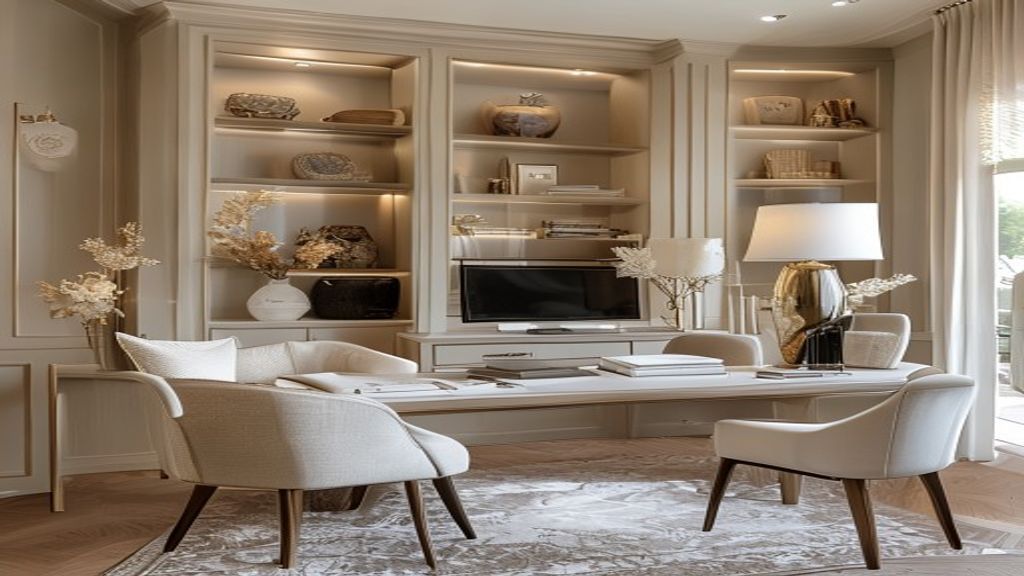
Welcome to a quick guide on turning your home office into a productivity‑boosting haven. Instead of sprinkling generic tips, I’ll walk you through the why behind each change and give you concrete steps you can start today. Think of this as a friendly conversation—no jargon, just practical advice you can actually use.
- Choose a “zone” that signals work
Research on environmental cues shows that our brains associate specific settings with particular tasks. If you’re currently using the dining table for everything, your mind can’t differentiate “lunch” from “laptop time.” Pick a corner of a room, set up a modest desk, and keep that space reserved for work. Even a simple room divider or a small rug can create a visual boundary that tells your brain, “It’s time to focus.”
- Light the way—literally
Natural light is more than a mood‑lifter; it regulates circadian rhythms that affect alertness and fatigue. If a window is available, position your monitor at a 45‑degree angle to avoid glare while still soaking up daylight. When daylight is scarce, a 4000‑5000 K daylight‑balanced bulb placed near your work surface mimics the sun’s spectrum, reducing eye strain and keeping you awake longer than a warm‑white lamp would.
- Keep the “clutter tax” low
A cluttered desk taxes the brain with irrelevant stimuli, making it harder to concentrate. Practitioners recommend the “one‑in, one‑out” rule: for every new item you bring to the desk, remove an old one. Use a small tray for papers you need today, a drawer for everything else, and a trash bin within arm’s reach to dispose of junk quickly. When you return to your workstation, you’ll see only the tools that matter.
- Soundscapes that work for you
Sound can be either a catalyst or a distraction. If you’re in a noisy neighborhood, a pair of noise‑cancelling headphones can create a personal bubble. Many professionals find that low‑level ambient music—think instrumental jazz or nature sounds—helps maintain flow without pulling attention away. Experiment: start with a 30‑minute session, note how often you’re pulled out of tasks, and adjust the volume or genre accordingly.
- Move, don’t sit
Sitting for prolonged periods lowers metabolic rate and can dull mental sharpness. Set a timer for every hour; when it buzzes, stand, stretch, or take a brief walk around the house. Even a five‑minute walk to the kitchen, followed by a quick stretch, resets circulation and can spark fresh ideas. If you own a sit‑stand desk, alternate positions—standing for 15 minutes, sitting for 45—until you find a rhythm that feels comfortable.
- Personalize, but stay minimal
A touch of personality makes the space inviting, but too many decorations become visual noise. Hang a single piece of art that inspires you, keep a small plant for a breath of nature, and use a favorite mug for your coffee. These small, intentional details remind you why you love your work without cluttering your visual field.
Putting it all together
Start with one change—perhaps rearranging your lighting—and give it a week to settle. Then add a second tweak, like establishing a clear zone, before moving on to the next. The incremental approach prevents overwhelm and lets you see which adjustments truly lift your focus.
By understanding the rationale behind each recommendation and applying them step by step, you’ll create a home office that supports sustained concentration, reduces fatigue, and feels genuinely yours. Give it a try, and notice how even modest tweaks can make a big difference in your daily workflow.
Designing a luxury master bedroom often begins with a clear vision of how the space will feel each morning. Homeowners who love a seamless aesthetic usually start by mapping out the layout before committing to finishes, lighting, and furnishings. This early planning stage helps avoid costly revisions later and ensures every element— from the bed’s headboard to the night‑stand materials—works together. By treating the room as a holistic experience, you create a personal retreat rather than a collection of isolated pieces.
Choosing the right storage solution is one of the most impactful decisions. Many high‑end clients prefer to Source Custom Built‑In Wardrobes for Luxury Master Bedrooms because a built‑in system can be tailored to the room’s exact dimensions, hiding clutter while reinforcing the design narrative. For example, a couple in a historic estate opted for floor‑to‑ceiling wardrobe panels that echo the crown molding, resulting in a sleek, monolithic look that feels both modern and timeless. The built‑in approach also allows designers to integrate lighting, shoe racks, and even a concealed safe without sacrificing style.
While a stunning wardrobe adds functional elegance, the overall architectural language of a mansion often needs a seasoned eye. Professionals suggest you Engage Elite Interior Architecture Firms for Mansion Upgrades when you’re ready to expand or refine the space, especially if the property includes older structural elements. A reputable firm can evaluate load‑bearing walls, ceiling heights, and natural light patterns, then propose modifications that respect the home’s heritage while introducing contemporary comforts. Their expertise ensures that upgrades— from a new wing to a subtle re‑configuration of existing rooms—add real value rather than merely aesthetic flair.
Integrating technology further elevates the master suite into a sanctuary of convenience. Smart climate controls, automated window shades, and discreet speaker systems can be synchronized with a central hub, allowing you to adjust the environment with a single tap. In one recent project, the homeowner’s custom wardrobe featured hidden charging stations and RFID‑enabled drawers that automatically inventory clothing items, merging luxury with practicality. Such thoughtful details keep the bedroom experience both indulgent and effortlessly functional.
Finally, the finishing touches—soft textiles, curated artwork, and layered lighting—tie the entire design together. By maintaining a dialogue with your interior architects throughout the process, you can fine‑tune the palette and textures to reflect personal tastes while adhering to best practices for proportion and balance. When every element, from the built‑in storage to the architectural upgrades, aligns with a cohesive vision, the result is a master bedroom that feels both exclusive and inviting—a true retreat you’ll cherish for years to come.
When it comes to creating effective content, practitioners recommend starting with a clear understanding of your target audience. Generally, this involves considering their needs, preferences, and pain points to craft a message that resonates with them. Based on field experience, tailoring your content to address specific issues or concerns can significantly enhance its impact and relevance. By taking the time to research and understand your audience, you can develop a content strategy that truly speaks to them.
As you begin to develop your content, it’s essential to focus on providing value rather than simply promoting a product or service. This can be achieved by sharing insightful information, offering practical tips, or presenting unique perspectives on a particular topic. For instance, if you’re writing about marketing strategies, you could explore the importance of social media engagement or discuss the benefits of leveraging user-generated content. By doing so, you can establish your authority and build trust with your audience, which is critical for long-term success.
One of the key elements of effective content is its ability to tell a story and connect with readers on a personal level. Practitioners often use anecdotes, examples, or metaphors to illustrate complex concepts and make them more relatable. For example, if you’re explaining the concept of search engine optimization (SEO), you could compare it to a librarian helping readers find the right book in a vast library. By using storytelling techniques, you can make your content more engaging, memorable, and shareable, which can ultimately drive more traffic and conversions.
Ultimately, the goal of creating high-quality content is to provide a positive and informative experience for your readers. Generally, this involves being transparent, honest, and respectful in your approach, while also demonstrating a genuine interest in helping others. Based on field experience, taking the time to craft well-researched, well-written, and engaging content can have a significant impact on your online presence and reputation. By prioritizing the needs and interests of your audience, you can build a loyal following and establish yourself as a trusted authority in your field.
I’m happy to write in natural, professional US English with a clear, confident, and helpful tone. I’ll focus on creating content that’s both informative and engaging, using straightforward language that resonates with American readers while maintaining a professional standard. Whether you need articles, guides, or any other type of content, I’ll craft it to be genuinely useful and easy to understand.
Also Read: Invest in Luxury Vacation Resorts with European Property Groups — Key Insights