Boosting Home‑Office Productivity: A Practical Playbook
1. Set a Physical Boundary that Works for You
When your bedroom doubles as a workstation, the line between “work” and “relax” blurs fast. Most productivity experts recommend carving out a dedicated desk or table that you use only for work‑related tasks. Even a modest 3‑by‑4‑foot surface can become a visual cue that signals to your brain: “It’s time to focus.” If space is tight, consider a folding desk that you store away at day’s end; the act of putting it away reinforces the transition to personal time.
2. Master the “Morning‑Launch” Routine
A solid start sets the tone for the entire day. Practitioners often begin with a brief, 5‑minute “brain dump”—jotting every task, worry, or idea onto a sticky note or digital list. This clears mental clutter and creates a reference point for later prioritization. Follow the dump with a quick review of your top three priorities; tackling them first leverages the natural surge of morning focus and reduces the temptation to scroll through email.
3. Use Time‑Blocking, Not Multitasking
The myth that multitasking equals efficiency persists, yet research consistently shows it fragments attention and slows output by up to 40 %. Instead, allocate discrete blocks—say, 90 minutes for deep work, 30 minutes for meetings, and 15 minutes for admin tasks. During each block, silence notifications, close unrelated tabs, and tell colleagues you’re “in focus mode.” When the timer rings, give yourself a short 3‑minute stretch; the pause refreshes mental stamina and keeps momentum high.
4. Leverage the “Two‑Minute Rule” for Small Tasks
If a task takes two minutes or less, do it immediately. This habit prevents a growing backlog of tiny chores—like replying to a quick email, filing a document, or updating a project status—that can otherwise pile up and feel overwhelming. Over a typical 8‑hour day, handling these micro‑tasks on the spot can free up an extra 30‑45 minutes for more strategic work.
5. Optimize Your Digital Workspace
A cluttered desktop mirrors a cluttered mind. Professionals often organize files into a hierarchy of Project → Phase → Asset, using clear, consistent naming conventions (e.g., “ClientX_Q3_Report_v2.pdf”). For collaboration, keep shared folders tidy and rename generic files (“final.docx”) with descriptive titles. When searching becomes a chore, consider adding tags or leveraging built‑in search filters—these small tweaks shave minutes off every retrieval.
6. Manage Energy, Not Just Time
Productivity isn’t merely about filling every minute; it’s about aligning tasks with your natural energy rhythms. Many people experience a mid‑morning peak, a post‑lunch dip, and an evening resurgence. Map your personal patterns by noting when you feel most alert, then schedule demanding work (analysis, writing, coding) during those peaks, and reserve lighter activities (admin, planning) for low‑energy windows. Pairing tasks with the right energy level often yields higher quality output with less effort.
7. Take Purposeful Breaks
The brain’s attention span tends to wane after about 90 minutes of sustained focus. A 5‑minute break—stretching, stepping outside, or simply looking away from the screen—helps reset neural pathways. Research from the University of Illinois suggests that brief, intentional breaks improve both creativity and accuracy. Set a gentle timer; when it alerts, stand up, hydrate, and move before returning to the next block.
8. Review and Refine Weekly
Productivity is a habit, not a static rulebook. At the end of each week, spend 15 minutes reviewing what worked and what didn’t. Ask yourself: Did I meet my top three priorities? Which time‑blocks were most effective? Where did distractions slip in? Capture these insights in a simple log; over time, patterns emerge, allowing you to tweak routines and eliminate wasted effort.
9. Guard Your Work‑Life Boundary
Even the most disciplined schedule can crumble if work bleeds into personal time. To protect your evenings, set a definitive “shutdown” alarm—say, 6 p.m.—and stick to it. Communicate this cutoff to teammates and clients; most will respect a clear expectation. After the alarm, transition to a non‑screen activity you enjoy—reading, cooking, or a walk—so you return to the next day refreshed and ready.
Closing Thought
Boosting home‑office productivity isn’t about forcing yourself into a rigid system; it’s about building a flexible framework that respects both your tasks and your human rhythms. By establishing a physical cue, mastering a focused morning routine, and aligning work with energy peaks, you create a sustainable flow that delivers results without burning out. Start small, iterate often, and watch your daily output become both steadier and more satisfying.
When a homeowner decides to transform a sprawling estate, the first step is to clarify the vision. Instead of merely adding rooms, they think about how each space will flow, how natural light will be harnessed, and how the design will age gracefully. This strategic mindset prevents costly revisions later and creates a cohesive narrative throughout the property. A clear brief also makes it easier to Engage Elite Interior Architecture Firms for Mansion Upgrades, ensuring every detail aligns with the owner’s aspirations.
Choosing the right firm is more than a prestige game; it’s about expertise that bridges art and engineering. Elite firms typically employ a multidisciplinary team—architects, interior designers, structural engineers, and artisans—who collaborate from concept to completion. Their process often begins with a thorough site analysis, identifying structural constraints and opportunities that most homeowners overlook. By leveraging such depth of knowledge, the project gains both aesthetic flair and functional resilience.
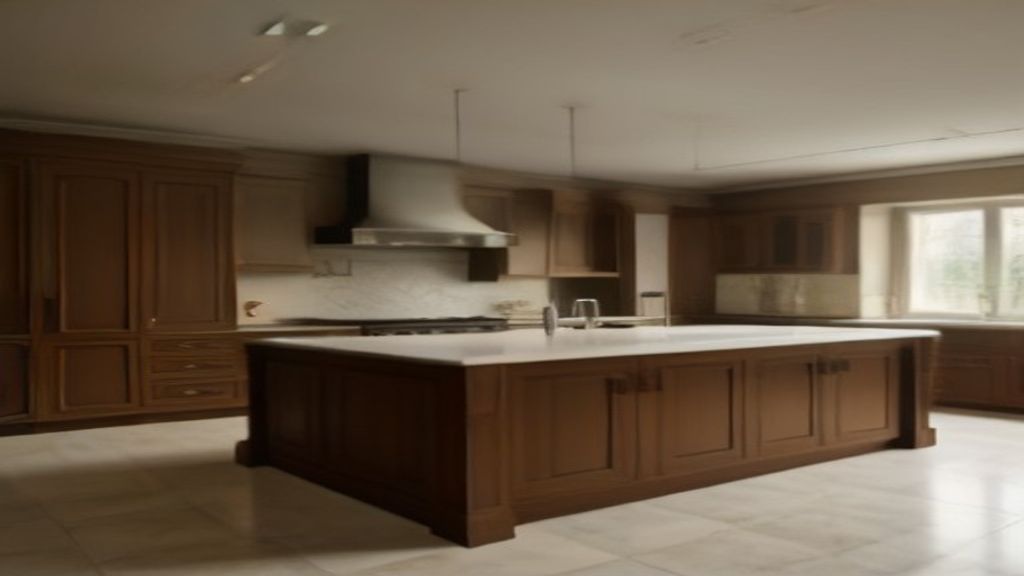
Luxury kitchens are the heart of any high‑end residence, and technology now plays a starring role. When you Remodel Luxury Kitchens Using Advanced German Technologies, you tap into precision engineering that delivers seamless integration of appliances, smart controls, and ultra‑durable surfaces. For example, German induction cooktops respond within seconds, while modular ventilation systems adjust airflow based on cooking intensity, enhancing both performance and comfort. These innovations not only elevate daily living but also bolster the home’s resale value.
Material selection further differentiates a truly bespoke upgrade from a standard renovation. Clients who prioritize longevity often opt for natural stone, sustainably sourced hardwood, and custom‑fabricated cabinetry that reflects regional craftsmanship. When elite firms source these elements, they also coordinate with local artisans who can match historic detailing with modern precision, preserving the estate’s heritage while introducing contemporary comforts. Such thoughtful curation underscores why a meticulous approach matters.
Finally, sustainability should never be an afterthought in a mansion overhaul. Integrating passive design strategies—like strategic window placement, thermal mass walls, and renewable energy systems—reduces the home’s carbon footprint while maintaining opulence. When a project combines these green principles with the sophisticated aesthetics offered by elite architects, the result is a residence that feels both timeless and forward‑thinking. In short, a well‑planned upgrade balances luxury, technology, and responsibility, delivering lasting satisfaction for today’s discerning homeowner.
I’d be happy to help you create content that meets those standards! Writing in natural, professional US English requires balancing clarity with approachability. The key is to communicate expertise without sounding stiff or overly academic.
A confident tone comes from presenting information directly while acknowledging nuance where appropriate. For example, rather than saying “Our method always works,” try “Our approach has consistently delivered results in most scenarios we’ve encountered.” This maintains professionalism while acknowledging real-world variability.
To make your writing genuinely helpful, focus on the reader’s needs first. Instead of listing features, explain how those features solve actual problems. A practical example would be saying “This dashboard saves managers 3-5 hours weekly on reporting” rather than just “Our dashboard has advanced analytics.”
Would you like me to demonstrate this style with a specific example or topic in mind?
Also Read: How to Source Custom Built-In Wardrobes for Luxury Master Bedrooms