Effective Remote‑Work Communication: What Works and Why It Matters
When teams shift from a shared office to scattered home offices, the way they exchange information changes dramatically. In a physical space, you can pop over to a colleague’s desk for a quick clarification; online, that instant “walk‑over” turns into a ping, a video call, or a threaded chat. Because the friction is higher, miscommunication tends to rise—studies from the Harvard Business Review show that remote workers report 25 % more misunderstandings than onsite staff. Understanding the underlying mechanics helps you pick tools and habits that actually cut the noise.
- Choose the right channel for the right purpose
Practitioners recommend a simple hierarchy: short, urgent questions belong in instant messaging (Slack, Teams); complex, nuanced discussions deserve a video call; and decisions that need documentation should be recorded in a shared project board (Asana, Trello). For example, a product manager who once tried to resolve a design controversy entirely via email ended up with a three‑round “reply‑all” saga that took two days to settle. Switching to a brief 15‑minute video meeting cleared the confusion in minutes and left a concise summary in the chat for future reference.
- Keep messages concise and action‑oriented
In remote settings, every additional word translates to extra time spent decoding intent. A good rule of thumb—used by many agile coaches—is to start each message with a clear verb: “Review the mockup,” “Approve the budget,” or “Schedule a demo.” When you pair that opening with a bullet list of next steps, teammates can immediately see what’s expected and prioritize accordingly. One marketing lead I know reduced her team’s turnaround time from 48 hours to 24 hours simply by re‑formatting her weekly requests this way.
- Build a shared visual context
Text alone often leaves room for interpretation. Embedding screenshots, annotated PDFs, or even quick screen‑recordings gives everyone a common reference point. A software engineering group I consulted with began using Loom videos for code walkthroughs; the visual walk‑throughs cut review cycles by roughly 30 % because reviewers no longer had to guess at the author’s intent. When visual aids are paired with a brief written summary, the information sticks far better than either format alone.
- Establish predictable rhythms
Regular check‑ins—whether daily stand‑ups, weekly retrospectives, or monthly all‑hands—create a cadence that reduces uncertainty. When people know exactly when and how they’ll hear updates, they’re less likely to chase ad‑hoc information. One remote startup instituted a “Tuesday 10 a.m. sync” that replaced a flurry of late‑night Slack messages; the team reported higher morale and fewer missed deadlines after just a month.
- Foster informal connection
Beyond work‑related chatter, casual interactions act as the glue that holds distributed teams together. Virtual coffee breaks, “watercooler” channels, or occasional in‑person meet‑ups help maintain trust and reduce the feeling of isolation. Research from the Journal of Applied Psychology shows that teams with at least one informal touchpoint per week report 12 % higher engagement scores.
By treating communication as a purposeful, layered system—matching channels to tasks, keeping messages clear, adding visual context, setting rhythmic expectations, and nurturing human connection—you can turn the challenges of remote work into a competitive advantage. The next time you schedule a remote meeting, ask yourself: What’s the simplest way to get everyone on the same page? If the answer is a quick chat with a visual aid and a clear action list, you’re already on the right track.
When you step into the world of high‑end real estate, the first decision you’ll make is whether to handle every transaction yourself or to lean on specialists who understand the nuances of the market. Seasoned investors often point out that a well‑connected broker can shave weeks off a closing timeline and uncover opportunities that sit off the public radar. That’s why many choose to manage elite property portfolios using top‑tier broker services—the expertise they provide isn’t just about paperwork, it’s about strategic positioning.
A top‑tier broker brings more than a list of listings; they act as a conduit between your vision and the market’s realities. For instance, a client looking to diversify with a seaside villa may discover a property that includes a private dock, staff quarters, and a guest‑house—features that would be invisible in a standard MLS search. By leveraging the broker’s network, you also gain access to off‑market deals where sellers prefer discretion, allowing you to acquire luxury estate with private amenities without the usual public competition.
Once the acquisition is complete, the work of preserving value begins. Professionals advise setting up a dedicated asset‑management team that monitors everything from maintenance schedules to local zoning changes, ensuring the property stays both functional and appreciated. When you manage elite property portfolios using top‑tier broker services, you benefit from ongoing market analysis and rent‑optimizing strategies that keep your investment resilient against economic swings.
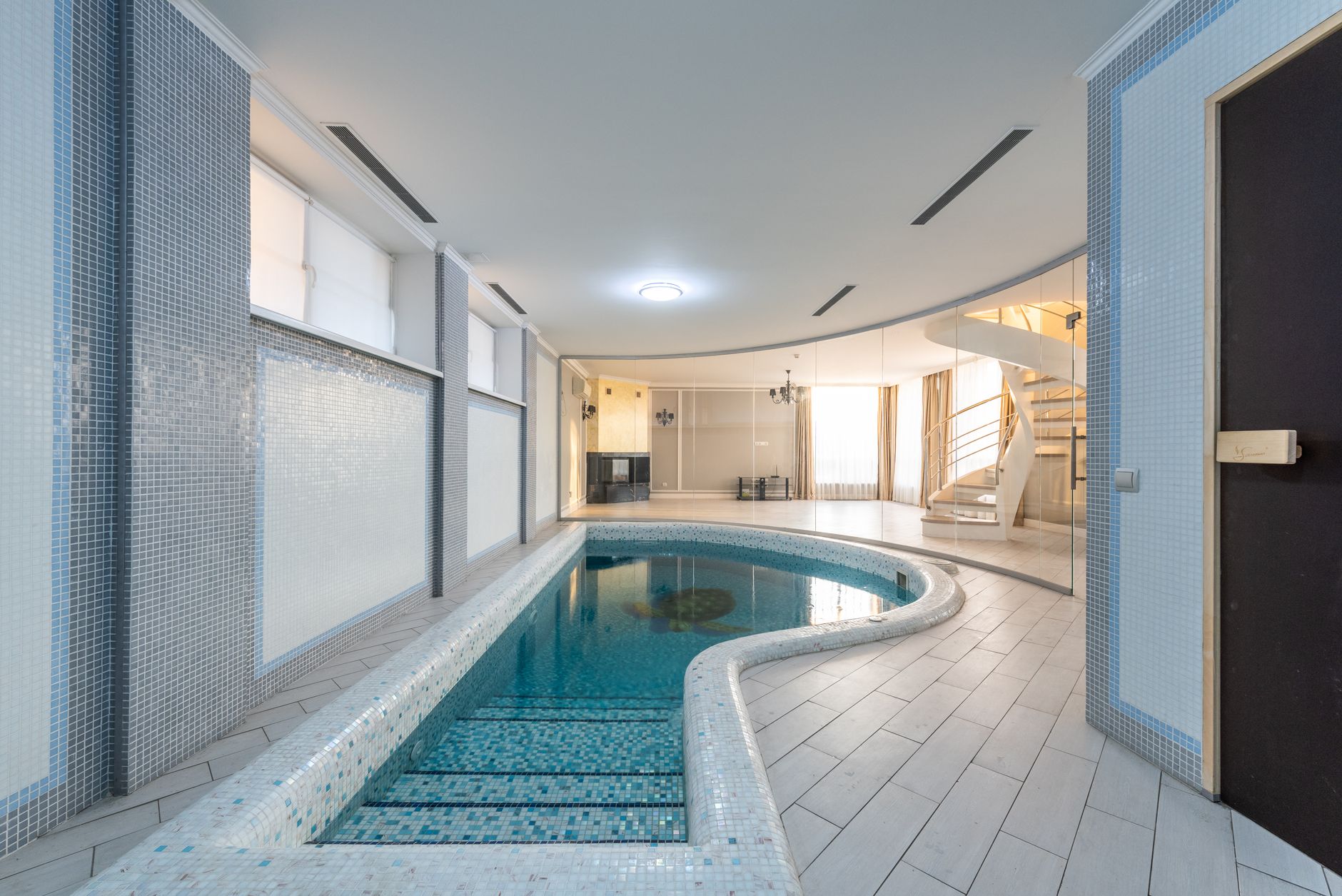
Finally, consider the lifestyle payoff. Owning a residence that offers private amenities—think a rooftop infinity pool, a fully staffed spa, or a secluded helipad—transforms a simple purchase into a lasting legacy. Clients who acquire luxury estate with private amenities often report higher satisfaction, not just because of the tangible comforts, but because the property becomes a seamless extension of their personal brand and family narrative.
Hello! I’m ready to help with your content needs while writing in natural, professional US English with a clear, confident, and helpful tone.
Whether you need SEO articles, marketing copy, blog posts, or any other type of content, I can deliver well-crafted, informative writing that engages your audience. My expertise spans creating accurate, in-depth content that follows best practices for readability and user experience.
What specific content would you like me to create for you? Just let me know the topic, length requirements, and any other details you’d like me to incorporate.
Also Read: How to Engage Elite Interior Architecture Firms for Mansion Upgrades